Image courtesy Center for Science In The Public Interest

Image courtesy Center for Science In The Public Interest
Prose narrative derived directly from the COI audit table (Völkel, Teeguarden, LaKind and related review/panel literature), with superscripted numerical footnotes keyed to a citation table. Overview The audit table captures a recurring pattern in the BPA literature: a small number of high‑influence papers and reviews are repeatedly used to support broad conclusions about internal dose […]
When a study is peer-reviewed, it means that it has undergone a critical evaluation by one or more experts in the same field (peers) before it is published in a scientific journal or presented at a conference. The peer review process is a fundamental aspect of scholarly research and is intended to ensure the quality, […]

PLEASE NOTE: A less technical version of this article, intended for non-scientists, can be found at this link. Beta Version 4.7 — 03/06/24. This strength-of-evidence report card was developed by Lewis Perdue and will be updated and/or expanded as needed. It is based upon the concept of evidence-based medicine which was developed to help clinicians […]
Food selections for both legs of the study were patterned after a “typical American diet”as defined by the United States Department of Agriculture (USDA). In addition, identical (or extremely similar) foods chosen for each leg needed to be widely available in the United States in a practical manner convenient to other investigators. Absent an unrealistically […]
“Inconsistent and contradictory results from nutrition studies conducted by different investigators continue to emerge, in part because of the inherent variability of natural products, as well as the unknown and therefore uncontrolled variables in study populations and experimental designs.” — The Challenge of Reproducibility and Accuracy in Nutrition Research: Resources and Pitfalls Develop a set […]
This n=1 trial points out two further factors to make a larger trial better able to more accurately determine causality between human clinical health indicators and BPA and other plastic-derived chemicals. This ad-free article is made possible by the financial support of the Center for Research on Environmental Chemicals in Humans: a 501(c)(3) non-profit. Please consider […]
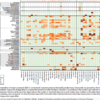
Attempts can be made to reduce non-food exposures (NFEs) in dietary intervention studies. However, it is impractical (and probably impossible) to eliminate them. Plastic micro- and nanoparticles, as well as the chemical compounds used to produce, are ubiquitous in the environment and present formidable confounding factors that make it impossible to establish causal relationships between […]

This is a true tale for modern consumers, based upon results from a scientific paper created by the Center for Research on Environmental Chemicals In Humans. In science, as well as in classic mysteries, that which is missing often provides a pivotal clue discoverable only after a bit of detective work. In Sir Arthur Conan […]